
Bed Bug Treatment
Bed Bug Treatment you can rely on
Discreet, thorough bed bug treatment across the UK, heat and insecticide programmes that reach every life stage, carried out by technicians who understand how unsettling an infestation feels.
Free quote
Get a fast, free quote
Tell us what you are dealing with and we will get straight back to you, or call 0330 053 6126. No call centre.
- No obligation and no pushy sales
- Local technician, same or next day where available
- Honest, upfront pricing
Watch
See how we work
About the service
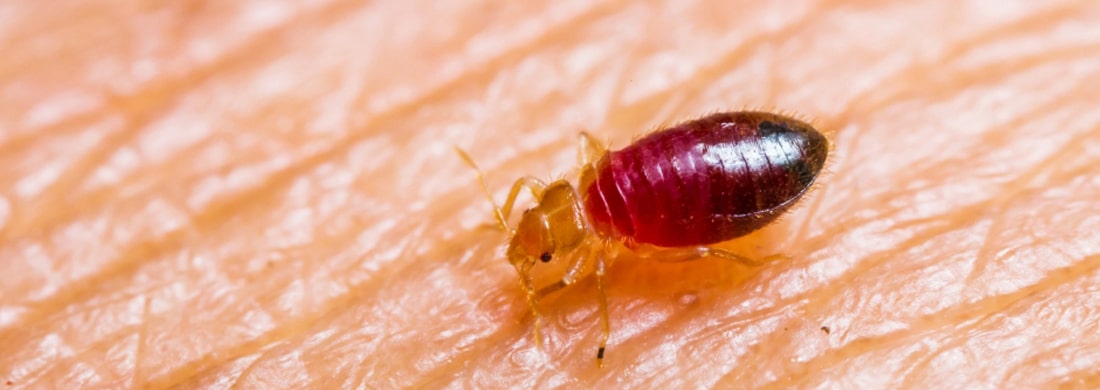
Few household pests are as persistent or as draining as bed bugs. They are nocturnal hitchhikers that hide deep inside mattress seams, frame joints, and skirting voids, feed while you sleep, and breed faster than most people realise, a small problem in one room can quietly seed a whole property within weeks. Because they retreat into cracks and crevices that surface sprays never reach, and because their eggs shrug off most shop-bought products, clearing them reliably almost always means professional treatment. Our focus is on doing that properly and quietly: confirming what you are dealing with, choosing the right method for your property, and treating every stage from egg to adult so the problem does not simply come back.
How to tell it really is bed bugs
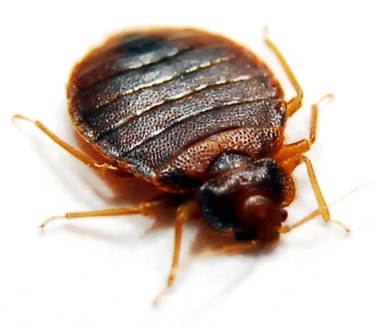
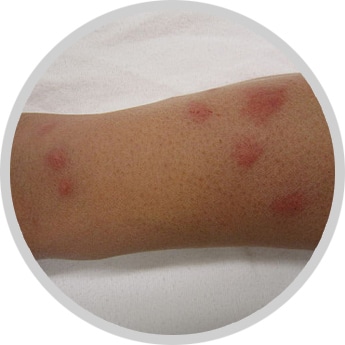
Bites alone are a poor diagnosis, flea, mite, and mosquito bites all look broadly similar, and reactions vary so much from person to person that some people show angry welts while others sharing the same bed show nothing at all. Bed bugs are reddish-brown, roughly the size of an apple pip, and feed at night before retreating to hide, so weeks can pass before anyone sees a live insect. Look instead for the physical evidence they leave behind:
- Bites in rough lines or small clusters on skin that was uncovered during sleep, arms, shoulders, neck, and lower legs
- Small rust or blood-coloured spots and smears on sheets, pillowcases, and the mattress edge
- Dark, ink-like faecal specks concentrated around mattress seams, frame joints, and headboard fixings
- Pale, papery shed skins and pinhead-sized eggs tucked into seams and crevices
- A faint sweet, musty smell once an infestation becomes heavy
Two quick tests you can try before you call
If you suspect you are being bitten but cannot find the culprit, two simple home checks can help point you in the right direction before a professional inspection confirms it. First, a tape test: press a length of double-sided sticky tape along the seams of the bed frame, headboard, or sofa, leave it overnight, and check the next morning for trapped insects. Second, a pattern check: bed bugs often feed more than once in a session, leaving a tell-tale run of bites sometimes nicknamed breakfast, lunch and dinner, whereas fleas tend to bite the lower legs and ankles. Standing water near where you sleep that collects tiny dark specks points more towards fleas than bed bugs. None of these is conclusive, they simply tell you whether it is worth booking an inspection, but they often save a wasted treatment for the wrong insect.
- Tape test: double-sided tape along frame and headboard seams, checked after a night
- Bite pattern: clustered runs on upper body suggest bed bugs; ankle bites suggest fleas
- When in doubt, a professional inspection settles it without guesswork
How bed bugs find their way in
Bed bugs do not jump or fly, they travel. One infested item is enough to start a colony, and the usual culprits are luggage and bags picked up during a hotel or hostel stay, second-hand mattresses, sofas, and frames brought into the home, and belongings carried between rooms or properties. Increased travel and the spread of shared and short-let accommodation are a big part of why bed bug numbers have climbed for years. In flats, terraces, and HMOs they can also migrate between units through shared wall cavities, pipe runs, and floor voids, so a perfectly clean home can still be affected by a neighbour's problem. None of this is a reflection on hygiene, it can happen to anyone, which is exactly why catching it early matters more than apportioning blame.
Why bed bugs feed without waking you
Part of what makes bed bugs so hard to catch in the act is their biology. They sense the warmth and carbon dioxide we give off as we sleep, emerge from hiding to feed on exposed skin, then retreat before first light. As they bite they inject a mild anaesthetic, much like a mosquito, so the feed itself rarely wakes you, which is why many people only notice marks in the morning and assume the cause is something else entirely. A single bug can survive months between meals, so an empty-looking room or a holiday home that has stood unused is no guarantee the problem has gone. That patience is also why partial treatments fail: starve them briefly and they simply wait.
Choosing between heat treatment and an insecticide programme
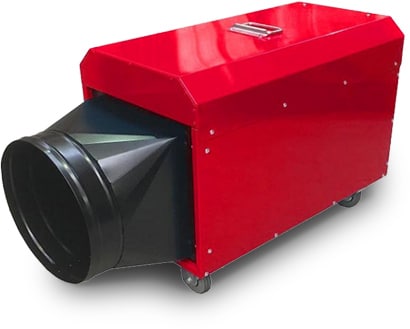
There is no one method that suits every situation, and the honest answer is that the right approach depends on the property, the contents of the affected rooms, the scale of the infestation, and how quickly you need the space back. Heat treatment raises the ambient temperature of the room past the level bed bugs and their eggs can survive, clearing every stage in a single visit with no chemical residue, ideal where speed and minimal disruption matter, and the only practical route for awkward spaces like vehicles, caravans, and boats where chemicals are impractical. A conventional insecticide programme works to professional-grade products applied directly to harbourage sites across two or more visits spaced a few weeks apart, timed to catch nymphs as they emerge. We will tell you plainly which we recommend and why, rather than pushing a single method at every job.
- Heat: single visit, no residue, treats whole rooms and hard-to-reach spaces and contents at once
- Insecticide programme: staged visits targeting harbourages, well suited where heat is not appropriate
- Combination and supporting steps, such as a residual application after heat, used where they add protection
Why DIY sprays and powders usually make things worse
Over-the-counter bed bug products rarely clear an infestation, and they frequently set it back. The core problem is reach: bed bugs spend most of their lives wedged into cracks, seams, and voids that a household spray never touches, and their eggs are resilient enough to survive most retail formulations entirely. Worse, spraying around harbourages without knowing where they are tends to scatter the survivors deeper into the property or into adjoining rooms, turning a contained problem into a spread-out one. By the time most people pick up the phone, repeated DIY attempts have already grown the population and made the eventual professional job harder. Early intervention is almost always less disruptive, and less costly overall, than a series of failed home remedies.
Preparing for treatment, and what happens after
We arrive in unmarked vehicles and keep the whole visit confidential, no signage, no fuss, nothing to advertise to neighbours what is going on. Before treatment you will be given a preparation checklist tailored to the method: for an insecticide programme this typically means stripping and bagging bedding, washing it hot, clearing clutter from floors and under beds, and giving access to all affected furniture, while heat treatment adds a few steps around removing heat-sensitive belongings. Following that guidance closely makes a real difference to how well the treatment works. Afterwards your technician will talk you through monitoring, any follow-up visit, and simple habits, checking luggage after travel, inspecting second-hand furniture, reducing clutter near the bed, that lower the odds of it happening again.
Why Bedbugs Gone
What you get
Discretion comes first
Unmarked vehicles, no branded clothing on sensitive jobs, and technicians who treat the situation with confidentiality from the first phone call. An infestation is stressful enough without the whole street knowing, we keep it between us.
Heat that reaches everything
Our thermal treatment raises the whole room past the point bed bugs and their eggs can survive, in a single visit and with no chemical residue. The same approach treats far more than bedrooms, we heat-treat HMOs, hotels, vehicles, caravans, boats, and commercial spaces where conventional methods struggle.
Eggs included, or it isn't finished
Killing the adults you can see is the easy part. We plan every treatment around the eggs and hidden harbourages, because the bugs that hatch after a half-measure are what bring an infestation straight back. Where heat isn't suitable we use a multi-visit residual programme built to intercept each new hatch.
Reviews
What our customers say
I booked with Bed Bugs Gone for a full bed bug heat treatment after previously using another company whose treatment did not work. I suffered with bed bugs for months and had tried numerous treatments but still had these critters running around my house! Now my home is infestation free and my kids have not had any bites. Many thanks to the team at Bed Bugs Gone who handled my awful situation with professionalism and care.
I recently suffered from bed bugs following a trip abroad. After having a heat treatment with Bed Bugs Gone I am now bed bug free. The sales team were great and the technician Robin was friendly and reassuring — definitely money well spent.
They conducted a heat treatment at my property to help get rid of bed bugs. From start to finish they were very professional and I was kept up to date at all times — and we have been bed bug free ever since! Fantastic service with very good prices.
Completely satisfied with the care, courtesy and expertise shown by the Exterminators and in the follow-up service; no complaints. Attention to detail was excellent.
Very professional and efficient service right from speaking to Hannah on the phone to organise, through to Tony's amazing knowledge and service. I highly recommend them and will always go to them with any further problems.
Great service, had a heat treatment which solved my bed bug issue the very same day!
In pictures
The work, up close

Coverage
Check your area
Good to know
Frequently asked questions
How do I know it's bed bugs and not fleas or mites?
Bites alone are not reliable, because flea, mite, and mosquito bites can all look similar and people react very differently. The stronger evidence is physical: blood spots or dark faecal marks on bedding, shed skins or live bugs in mattress seams, and bites concentrated on skin left uncovered during sleep rather than just the ankles. A quick tape test along the bed frame overnight can help, but a professional inspection is the only way to confirm both the species and how far it has spread.
Why do bed bug bites only appear on some people?
Reactions to bed bug bites vary enormously. Some people develop raised, itchy welts within hours, others react days later, and a significant number show no visible marks at all even when sharing the same bed. That is why we never rely on bites as proof on their own, the absence of marks on one person does not mean a room is clear, and the presence of welts is not proof of bed bugs without the physical evidence to match.
Is heat treatment or chemical treatment better for my situation?
Neither is universally better, they suit different circumstances. Heat clears every stage in a single visit with no residue and handles whole rooms, awkward contents, vehicles, and boats well, which makes it the faster, lower-disruption option where it is practical. An insecticide programme is staged over a few visits and is the right call where heat is unsuitable for the property or its contents. We assess the room before recommending one, and we will explain the trade-offs honestly rather than defaulting to a single method.
How many visits will treatment take?
It depends on the method and the size of the infestation. Heat treatment is usually completed in one visit. An insecticide programme generally needs two or more visits spaced a few weeks apart, so that bugs emerging from eggs after the first treatment are caught before they can breed. Your technician will give you the expected number of visits once the property has been assessed.
Can you treat bed bugs in a vehicle, caravan, or boat?
Yes. Heat treatment is particularly well suited to spaces where chemical application is impractical, and we regularly treat vehicles, caravans, motorhomes, and boats as well as homes and commercial premises. Because heat penetrates contents and cavities rather than just surfaces, it can clear a confined space in a single session without leaving residue on upholstery or fittings.
Do I need to throw away my mattress or furniture?
Usually not. Disposing of infested items is rarely necessary and can actually spread bugs to other parts of the home as you carry things out. Professional treatment clears bed bugs from mattresses and furniture where they stand. If an item genuinely cannot be treated your technician will say so, but that is the exception rather than the rule, and binning a mattress before treatment often just means buying a new one that gets infested too.
How should I prepare for the treatment?
You will get a preparation checklist matched to your treatment type before the visit. In general that means stripping all bedding and washing it hot, sealing it in bags, clearing floor space around beds and furniture, and vacuuming affected areas. Heat treatment adds a few steps around removing heat-sensitive belongings. Following the preparation carefully has a real bearing on how effective the treatment is, so it is worth the effort.
Are the treatments safe for children and pets?
Heat treatment uses no chemicals at all, and the room is cooled before anyone goes back in. Where an insecticide programme is used, products approved for residential use are applied to harbourage areas rather than open surfaces, and you will be asked to keep children and pets out of the treated room until it is dry, your technician confirms the exact timing. Anything specific to your household, including fish tanks or sensitive pets, is covered in the brief beforehand.
How did I get bed bugs in the first place?
Almost always by hitchhiking, not by anything to do with cleanliness. The common routes are luggage and bags after a hotel or hostel stay, overnight travel, visits to an affected property, and second-hand mattresses or upholstered furniture brought home. In flats and terraces they can also move between units through shared walls and service voids. There is no way to guarantee you will never meet them, which is exactly why fast identification and treatment matters more than working out who to blame.
Do you cover rural areas and smaller towns, or just cities?
We cover the UK, not only the major cities. Rural locations, market towns, villages, and holiday accommodation are all part of the workload, bed bugs travel just as easily into a country cottage or a coastal caravan park as into a city flat. If you are unsure whether your area is covered, it is worth a call; in most cases it is, and we can arrange a visit.
How quickly can someone come out?
We treat bed bugs as a job that needs dealing with promptly, because every night of delay lets the population grow and gives the bugs more chance to spread to other rooms. Response times depend on your location and the time of year, but bed bug work is prioritised rather than left in a general queue. The sooner you call after spotting the signs, the shorter and simpler the eventual treatment tends to be.
Is there a worst time of year for bed bugs?
Bed bugs are active indoors all year round, because central heating keeps homes comfortably within the range they thrive in regardless of the season. There is usually a busier spell through the warmer months, when travel, holidays, and second-hand furniture buying all increase the chances of carrying them home, but infestations happen in every month of the year. A quiet patch outdoors does not mean the bugs inside have slowed down.
I think I picked them up at a hotel, what should I do?
Try not to bring the problem into the bedroom. Keep suitcases off the bed and soft furnishings, ideally on a hard floor or in the bath, bag up washable clothing, and run it through a hot wash and a hot tumble dry, which kills any bugs or eggs on fabric. Inspect the cases themselves carefully before they go back into storage. Then get advice, catching it before the bugs reach bedroom furniture is the single biggest factor in keeping any treatment short.
Why can't I just clear them myself with a shop-bought spray?
Because the bugs you can reach with a spray are a small fraction of the problem. Most of the population sits in cracks, seams, and voids that household products never touch, and the eggs survive most retail formulations entirely. Spraying around harbourages without knowing where they are tends to scatter survivors deeper into the property, so a contained issue becomes a spread-out one. That is why DIY attempts so often end with a larger, harder infestation than the one they started on.
Can heat treatment really kill the eggs?
Yes, and that is the main reason it is so reliable. Bed bug eggs are stubbornly resistant to most sprays and powders, which is why chemical-only approaches need repeat visits timed around each hatch. A professional heat treatment takes the whole room past the temperature at which eggs as well as adults and nymphs can survive, so every stage is dealt with in a single session rather than chased over weeks.
Roughly how is the cost worked out?
Pricing depends on a handful of practical factors rather than a flat rate: how large the property is, how many rooms are affected, the severity of the infestation, and which treatment method suits the job. Heat treatment tends to involve more equipment and time than a chemical programme, which is reflected in the price. We give a clear quote up front once we understand the situation, so there are no surprises, and dealing with it early usually works out less costly than a string of failed DIY attempts.
Bed Bugs problem? We can usually be out the same or next day.
Speak to the team for a fast, free quote. No call centre.